Technology examines the tools now used in apparel: 3D sampling, body scanning, digital printing, product lifecycle software, automated cutting and machine vision inspection. Each is assessed on what it changes in cost, waste or accuracy. Written for readers who evaluate systems instead of watching demonstrations.
Time-series models forecast replenishment basics within useful error bands, while new-season fashion items defeat every method because their history does not exist.
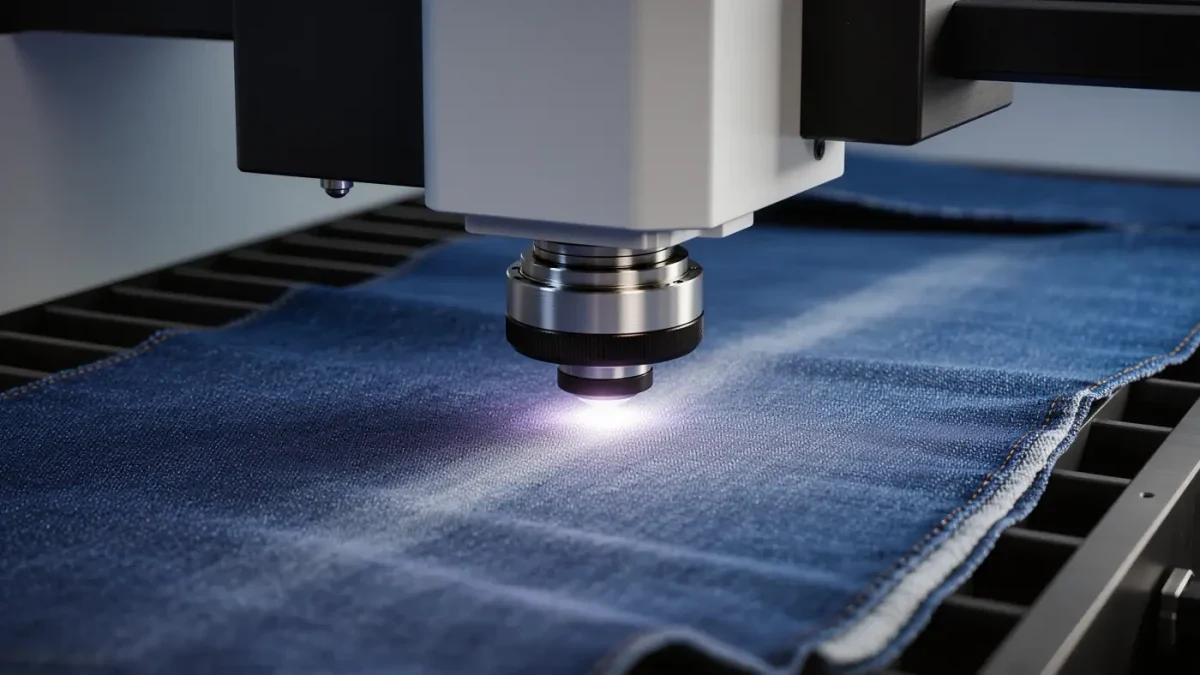
A CO2 laser burns a whisker pattern into denim in under a minute without water, pumice, or potassium permanganate, and the economics now favor it wherever volume justifies the machine.
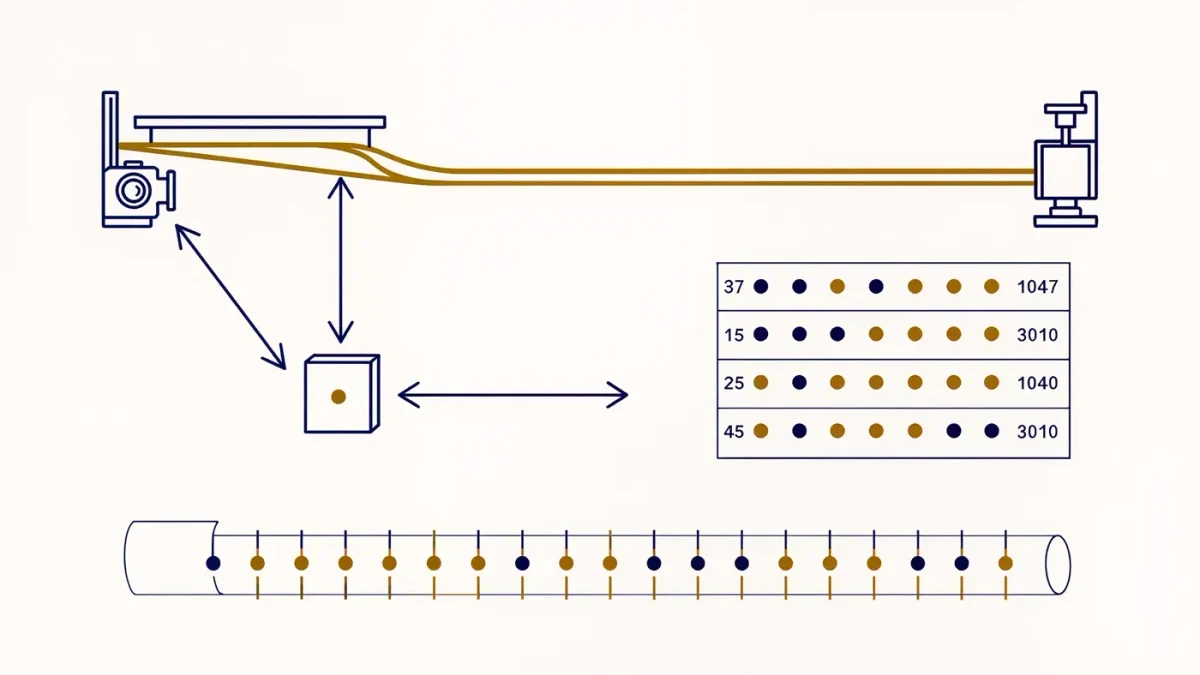
Camera systems inspect moving fabric faster than any inspector, catching knots and broken picks at production speed, while subtle defects and grading judgment stay contested territory.
A product lifecycle management system is the apparel company's single record of every style, and its real function is turning scattered development chatter into structured, versioned data.
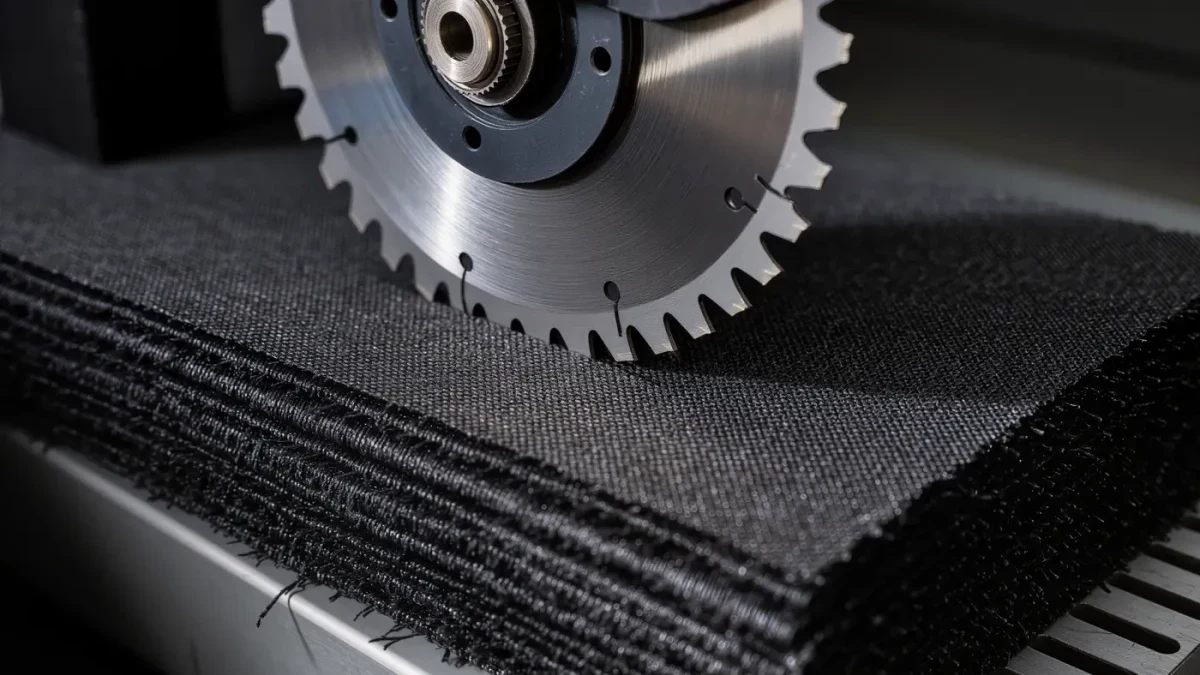
Computerized cutting systems cut plies to a fraction of a millimeter, but the fabric utilization number that decides the economics is set by the marker, not the blade.