Fashion News
The EU Agreed to Make Fashion Brands Pay for Their Textile Waste
Extended producer responsibility for clothing is set to land in every member state — and the fee schedule, not the principle, is where the margin moves.
Business News follows the industrial side: mill capacity, factory conditions and wages, tariffs, freight, margin structure and who really owns a label. Reporting works from trade data and filings. Suited to readers who want to know where clothes are made and what the arithmetic behind them looks like.
Extended producer responsibility for clothing is set to land in every member state — and the fee schedule, not the principle, is where the margin moves.

Cambodia's 2026 garment wage rose $2 while union demands ran $22 higher; Bangladesh's base held flat. The price floor above them has not moved either.

A passive tag with no battery, read from meters away, is why apparel retailers can now count a backroom in minutes instead of a day — and why the same chip is turning up in blockchain pilots and returns fraud checks.

Apparel dominated the year's retail bankruptcy filings — Saks Global led in January, per the coverage Moody's and analysts flagged — and mid-2026's ledger shows the stress is structural, not seasonal.
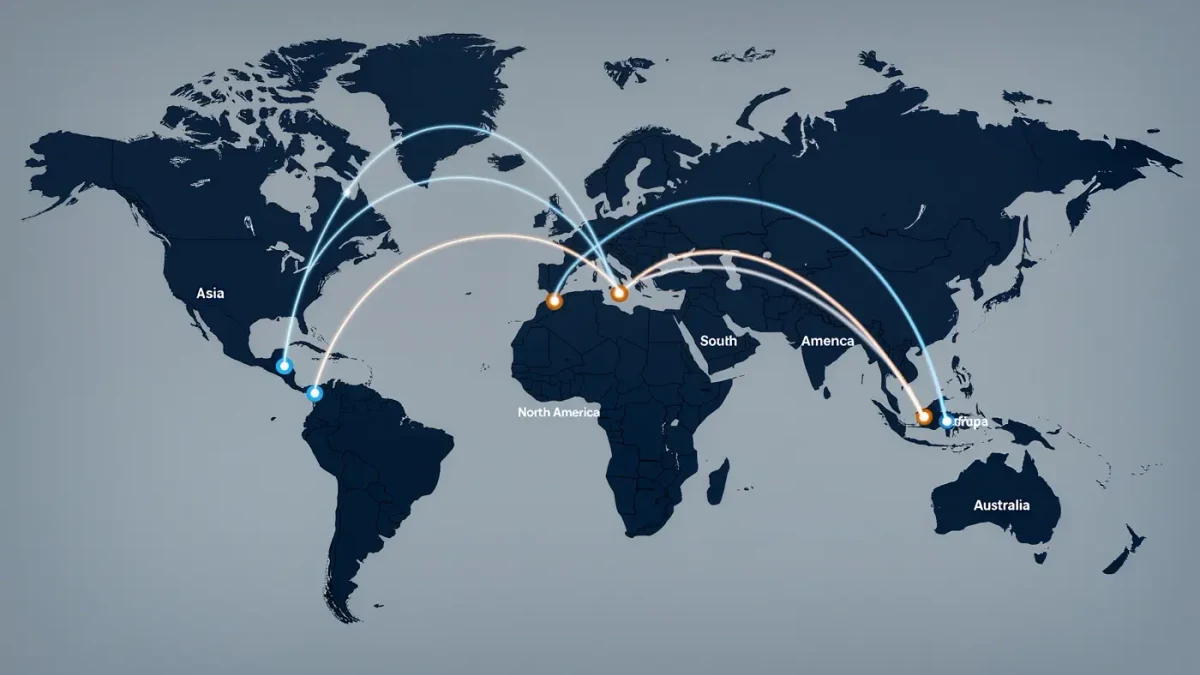
Per University of Delaware analysis of official figures updated in June, Asian countries supplied 70.2% of US apparel imports by value in April 2026, down from 72.0% a year earlier.

Per the WARN notice reported in February, an Upstate South Carolina textile plant will permanently close, laying off more than 120 employees beginning April 3, 2026.
USDA's price tracking shows the cotton A-Index rising from 82.6 to 92.8 cents per pound between early April and May 2026, tightening margins on the most cotton-dependent categories.

From Guess's $1.4 billion deal with Authentic Brands to LVMH's $850 million Marc Jacobs exit, the ownership paper behind fashion's brand stories is public — and consistently surprising.
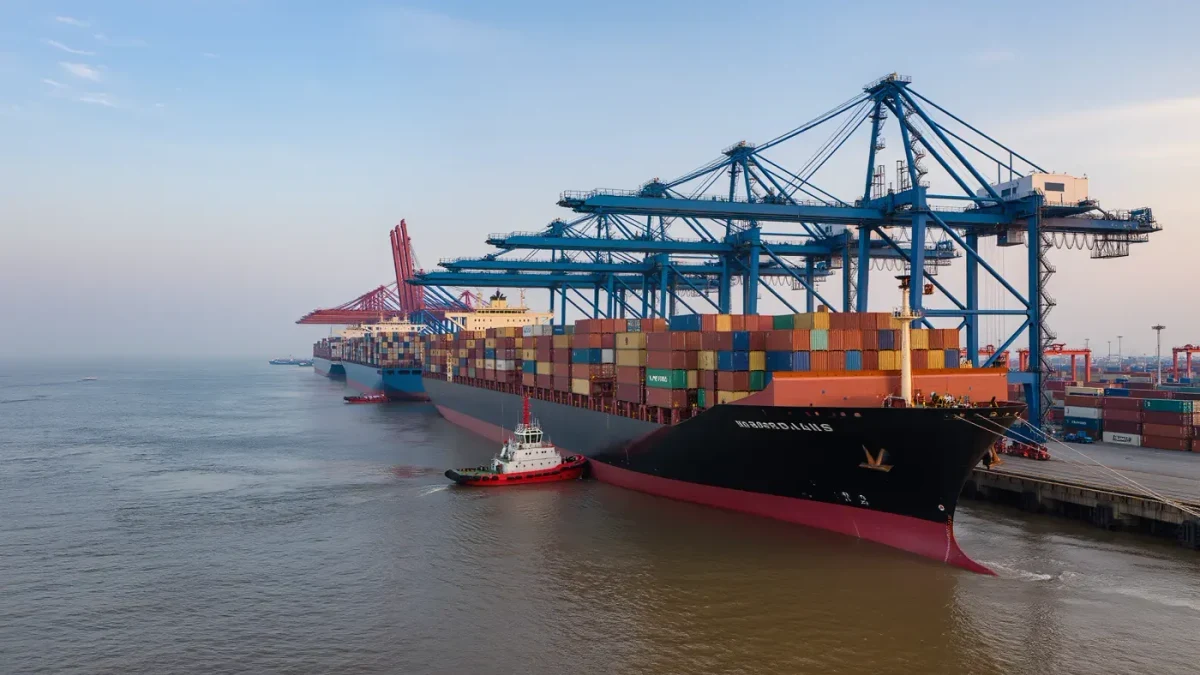
Transpacific container rates tracked by federal data determine the landed cost of every imported garment — and the spring season ships under the year's least predictable rates.