
Technology
The Gadgets Quietly Changing Getting Dressed
Smart mirrors, body scanners and fabric recyclers are moving fashion tech out of the factory and into the fitting room.
Technology examines the tools now used in apparel: 3D sampling, body scanning, digital printing, product lifecycle software, automated cutting and machine vision inspection. Each is assessed on what it changes in cost, waste or accuracy. Written for readers who evaluate systems instead of watching demonstrations.
Smart mirrors, body scanners and fabric recyclers are moving fashion tech out of the factory and into the fitting room.
A garment made of pixels never touches a body. That changes what design, ownership, and getting dressed mean.

A tag that costs dimes and reads through cardboard rewrote inventory accuracy — the system shift, from the GS1 standard to Walmart's mandates.
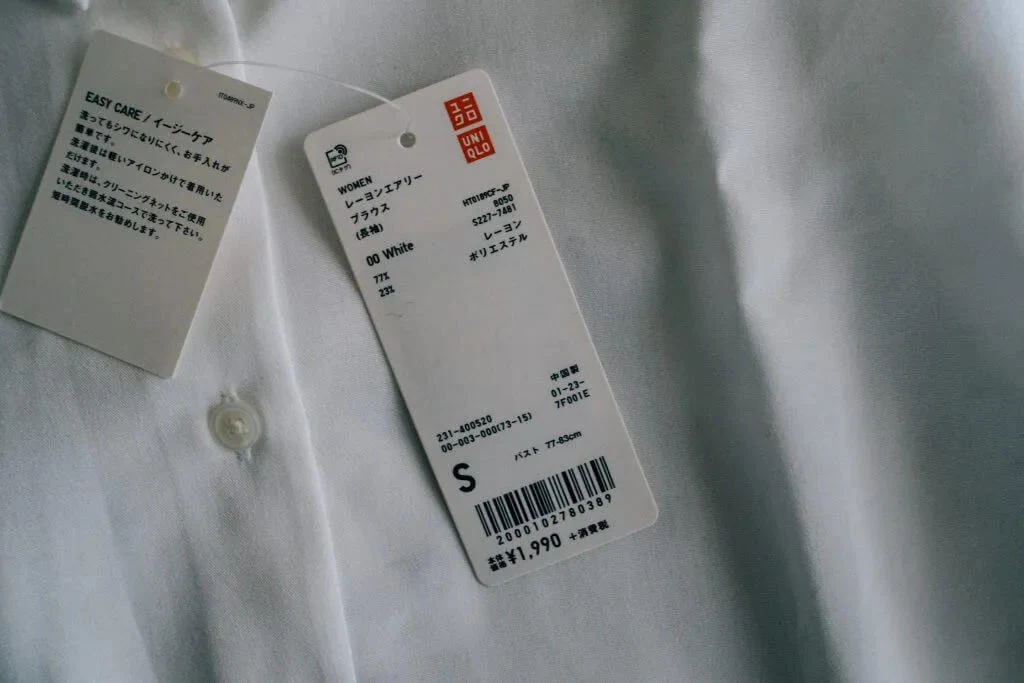
A passive radio tag sewn into a garment now does what a barcode never could: count an entire rack without a single item leaving the shelf.
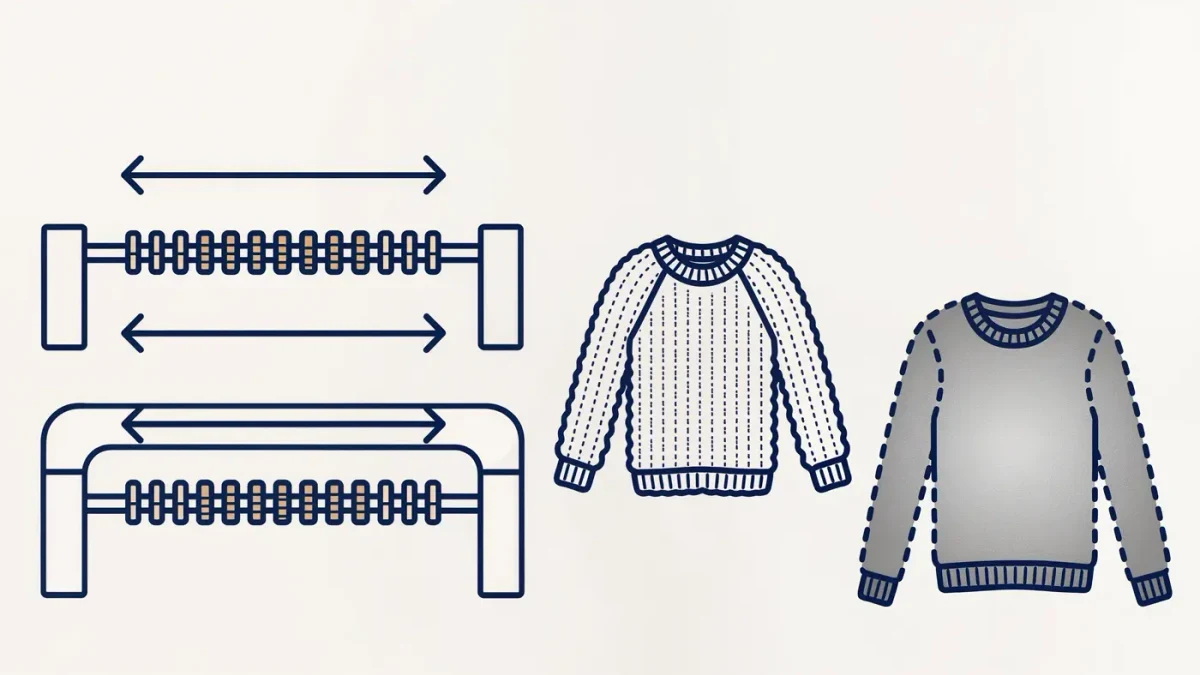
Machines from Shima Seiki and Stoll knit complete tube-shaped garments with no seams and no cut waste, while design constraints and machine cost keep the method in a defined product niche.

Fit engines blend a shopper's dimensions, past returns, and cohort behavior into one size call, and the strongest signal turns out to be what similar shoppers kept.