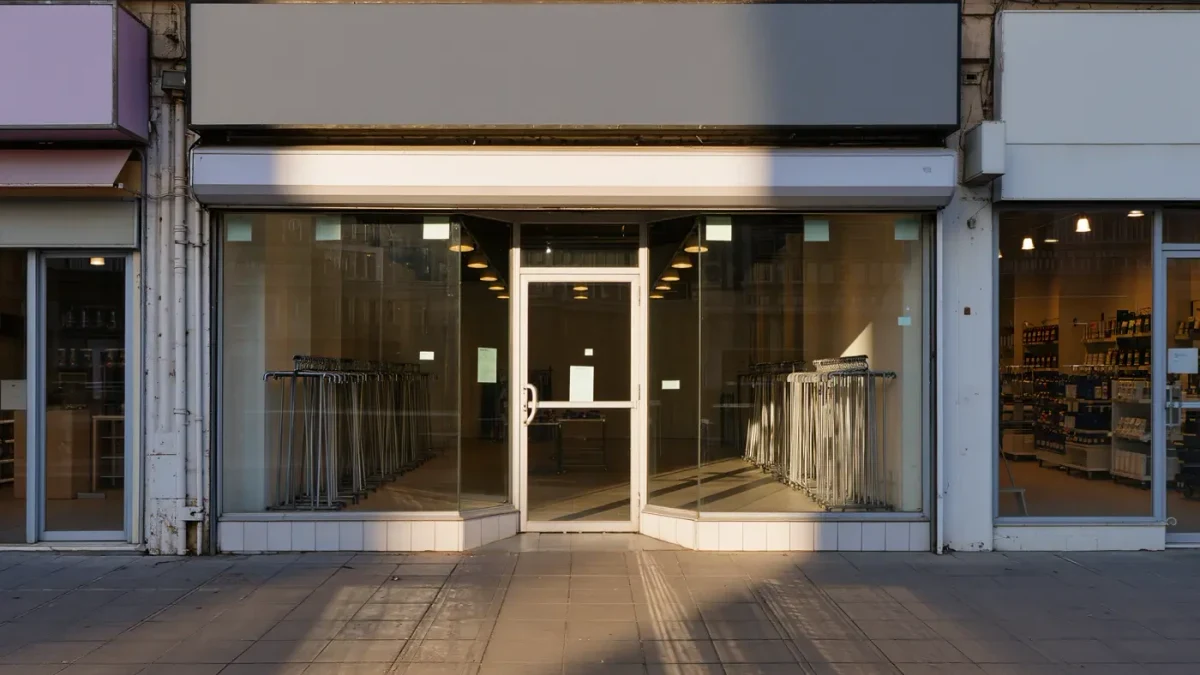
Saks Global, the parent of Saks Fifth Avenue, filed for Chapter 11 in January 2026 after years of mounting debt, per the analyst and press coverage that flagged it as the year's most consequential retail filing. Behind it stretched a queue the credit agencies had predicted: Moody's vulnerable-retailer list entering 2026 leaned heavily toward apparel and department stores, per Retail Dive's summary, and the spring delivered — Peter Manning New York, the women's retailer Morning Lavender, and Papaya Clothing, a California chain of roughly 80 stores, all filed for Chapter 11 protection. By mid-July, the ledger's pattern is legible, and it is about structure, not weather.
Why does apparel lead the bankruptcy list?
Because apparel carries the most fixed obligations against the most discretionary purchase. A department store or apparel chain services long leases and seasonal inventory debt with revenue that consumers cut first when budgets tighten — and 2026 tightened, per the tariff-driven price increases and import contraction the trade data documents. Per Moody's vulnerable-list methodology as summarized in trade coverage, the agencies score leverage, liquidity and competitive position; apparel scored badly on all three entering the year. The category's own economics did the rest: markdown-heavy assortments fund thin margins that cannot survive a bad quarter, let alone a tariff year.
What does Chapter 11 actually preserve?
The brand, often at the cost of the business. A Chapter 11 filing grants protection from creditors while the debtor reorganizes — leases are renegotiated or rejected, vendors' terms reset, and unprofitable stores close under court supervision. Per the filings cited, Peter Manning sought to reorganize; Papaya entered with its 80-store network in question. Historically, the most common outcome for apparel chains is a smaller estate: fewer stores, new ownership of the intellectual property, and vendors recovering cents on dollars. The filing is therefore not an ending but a re-pricing of every promise the chain made — to landlords, mills and employees alike.
Who absorbs the losses when a chain files?
The unsecured vendor first. Per the priority structure of bankruptcy law, secured lenders stand ahead of trade creditors, which in apparel means the factories and mills that shipped goods on net terms absorb much of the failure — a fact with consequences upstream, where already-thin supplier margins absorb another shock. Per the sourcing-market dynamics the trade press documents, vendor losses in a wave year make surviving suppliers demand tighter terms: deposits, letters of credit, shorter payment windows. A bankruptcy wave therefore reprices credit across the whole sourcing market, not just for the companies that filed.
What does the 2026 wave predict for fall?
Consolidation of shelf space into stronger hands. Per the mid-year reporting pattern, distressed chains' closures release leases and market share that well-capitalized competitors and off-price players absorb — a transfer, not a disappearance, of demand. Per Moody's list entering the year, more apparel names remained on the watch roll than had filed by mid-July, which is the ledger's forward-looking entry: the fall season will test whether tariff-inflated prices meet resilient demand or another markdown spiral. The filings through July answer only the first half of the question; the second half arrives on the same public docket.
For more context, read Asia's Share of US Clothing Imports Fell Below 71% in April Data.
For more context, read cotton futures 2026.
For more context, read garment worker wages 2026.