Design covers the work that happens before production: blocks, grading, seam selection, interfacing, closures and the sample rounds that fix a fit. Articles explain why a shoulder sits cleanly or a hem twists. For designers, pattern cutters and readers who inspect construction in stores.
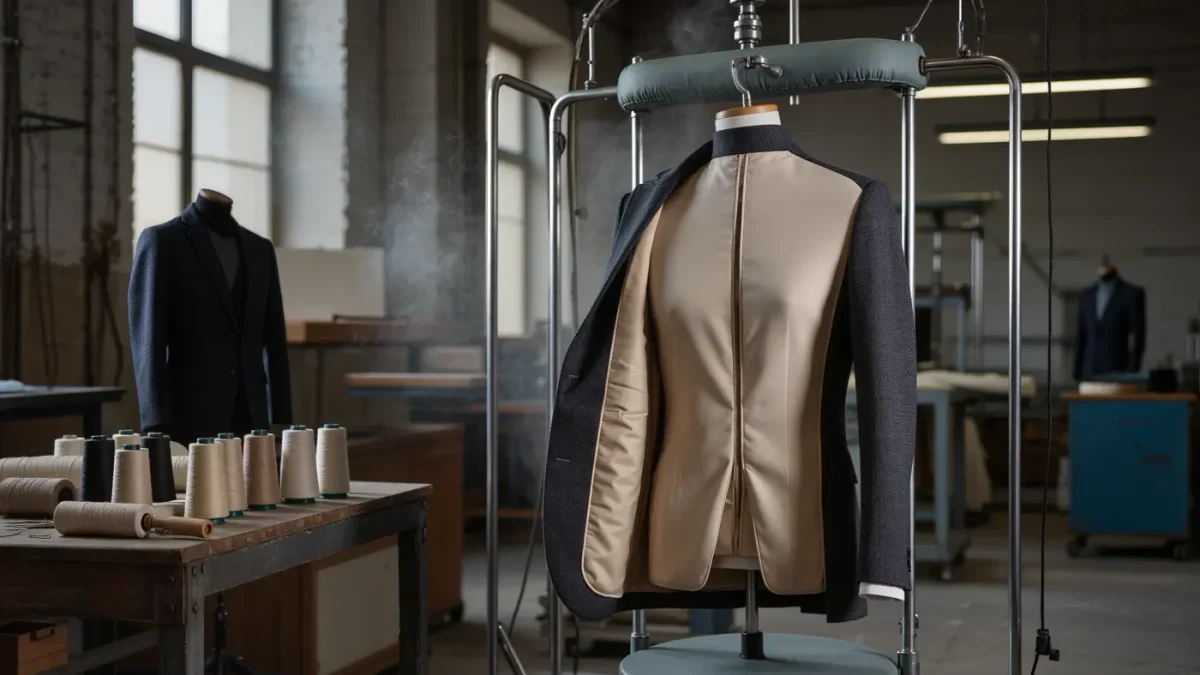
Lining is not decoration — it is a mechanical layer that manages friction, load, opacity, and shape, and its specification reveals more about construction intent than the shell fabric does.
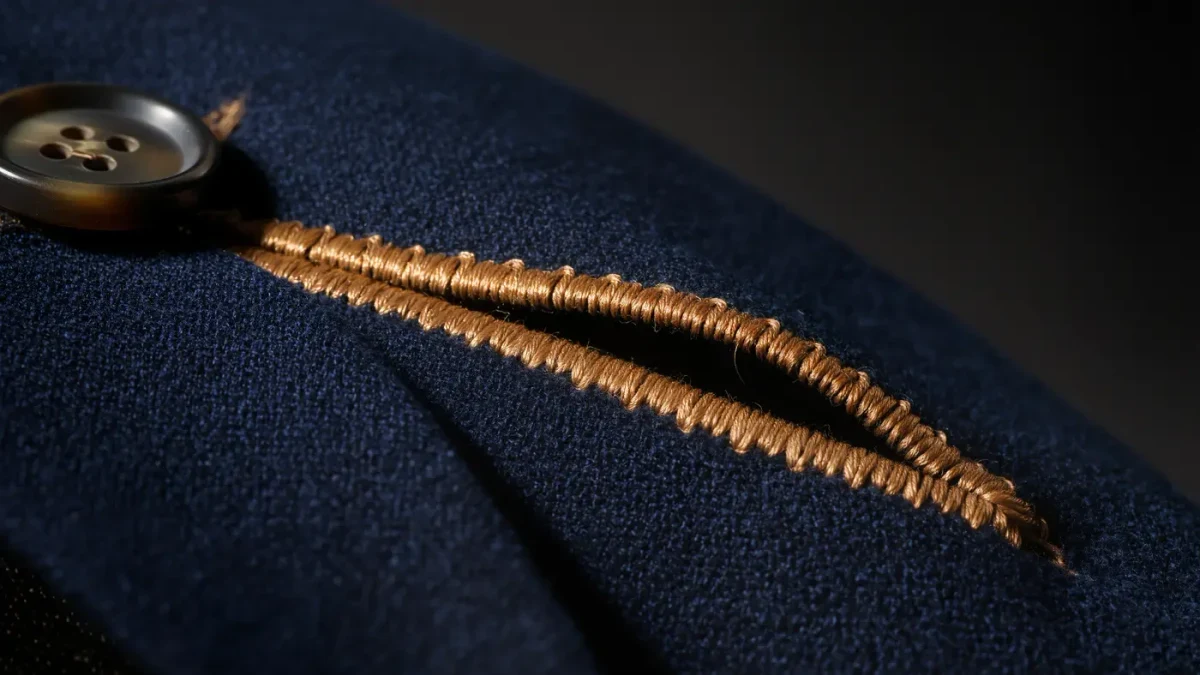
The buttonhole is the most labor-dense few centimeters in garment construction, and its type — hand-worked, bound, or machine — prices the garment more honestly than the label.
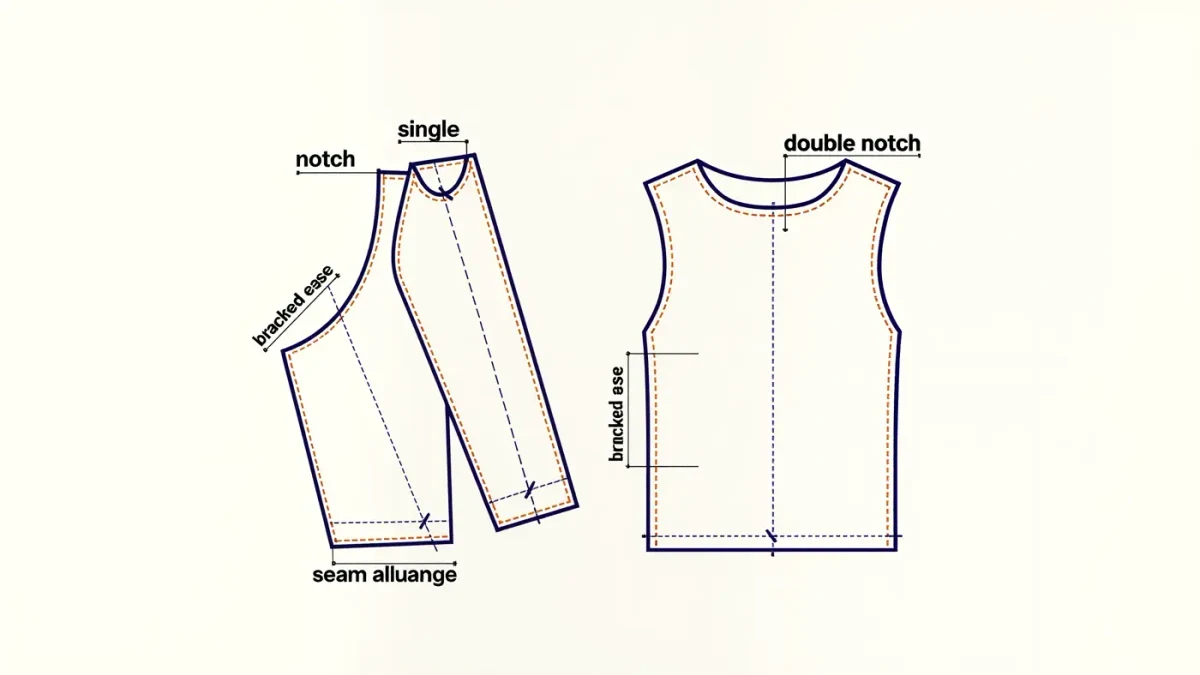
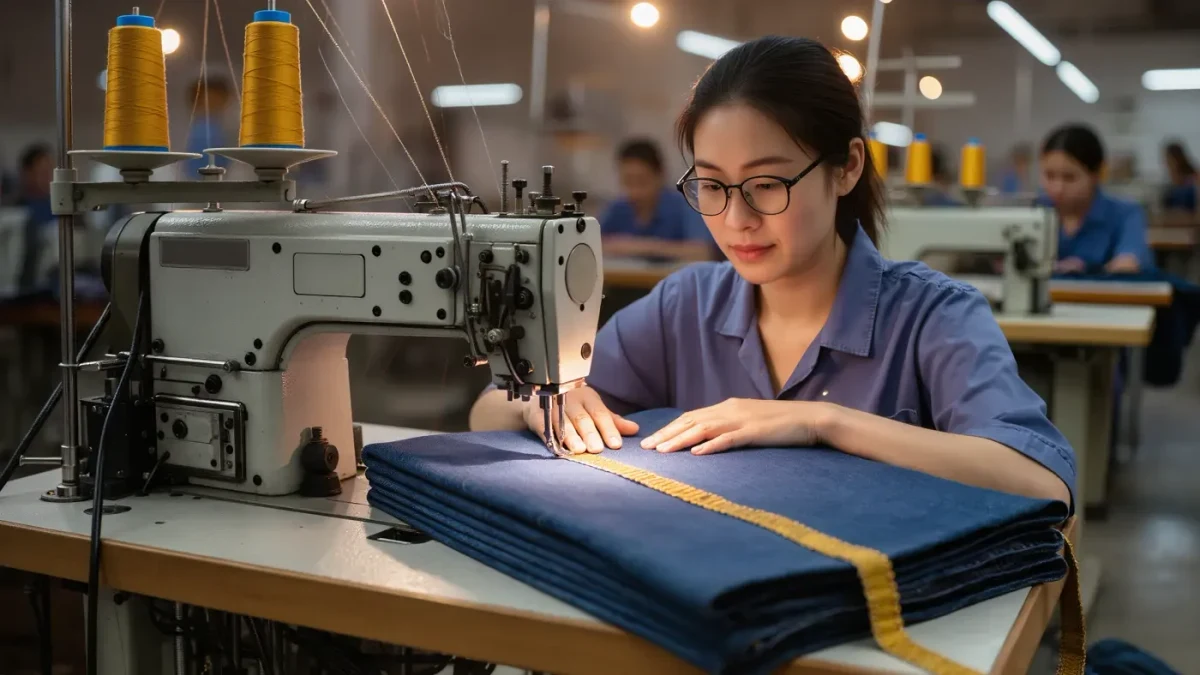
Every garment announces its engineering budget through its seams — the stitch class, the seam class, and where each is placed are the industry's honest ledger.
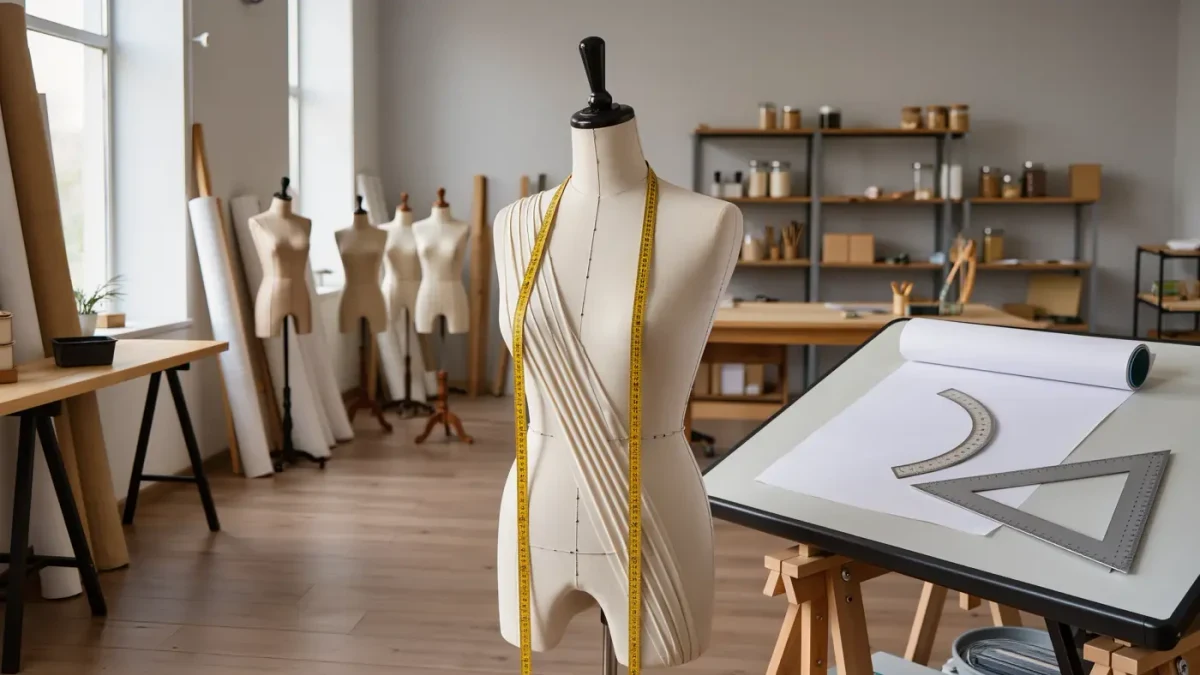
Flat pattern-making removes fabric where the body curves inward; draping lets the fabric find the curve itself — and the choice shapes cost, fit tolerance, and a garment's entire character.
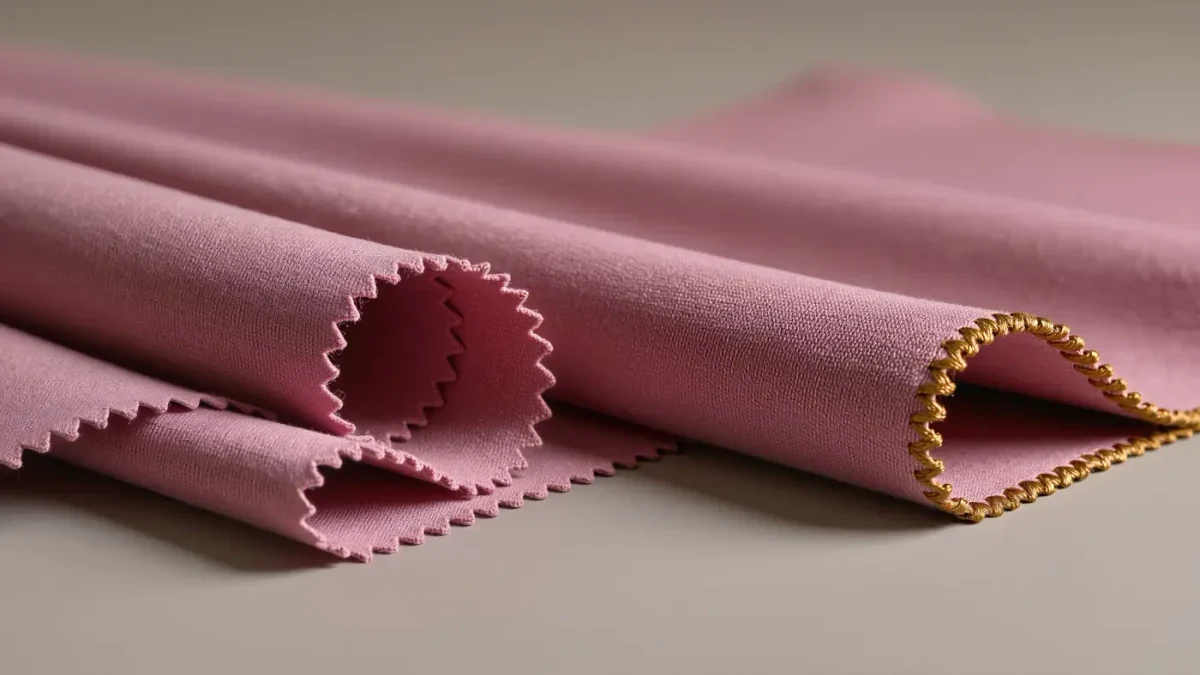
A hem that will not lie flat is a physics problem, and the solution lives in the relationship between fabric structure, yarn twist, and finishing choice.